INSIDE THE STORY.
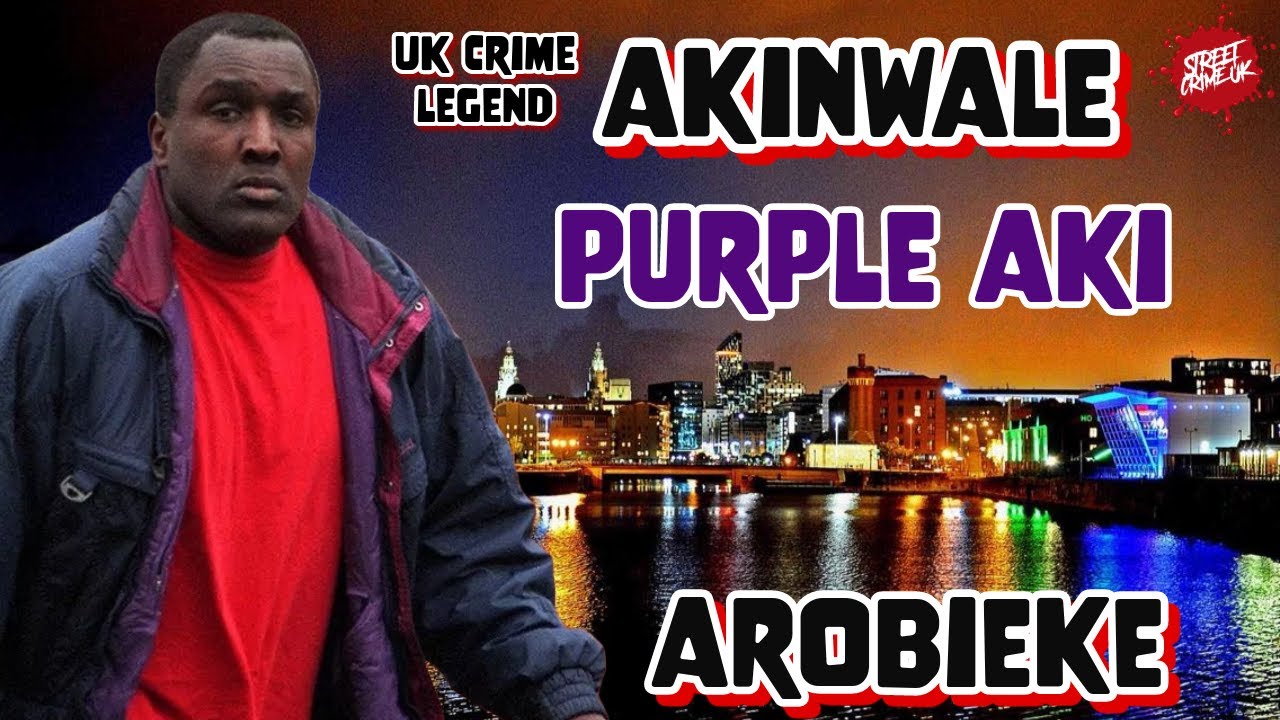
The gap between a person and the stories told about them is the organising idea of this documentary. Akinwale Arobieke, often referred to by a racially charged nickname, became the subject of accounts that travelled well beyond Merseyside. The film considers the conduct behind that attention, the legal responses described in his history and the media’s part in turning him into a figure of folklore. None of those strands can explain the whole story on its own.
The conduct behind the stories
The documentary recounts unwanted approaches to young men focused on their muscles and refers to harassment convictions. These are the substantive matters beneath the public fascination. Keeping attention on the behaviour, and on the effect of unwanted contact, gives the account a firmer centre than physical appearance or an unusual reputation alone.
A restriction becomes a headline
The documentary discusses a prohibition on touching, feeling or measuring muscles without consent. An unusual restriction is readily converted into a memorable headline, but its purpose in the narrative concerns boundaries and unwanted conduct. The account also says restrictions changed over time. It should therefore be read as a history of legal responses, not a statement of what conditions apply today.
How the nickname travels
The nickname’s reference to skin colour is part of the story’s racial dimension. Once repeated through conversation and media, a label can become more familiar than the person’s name or the events behind it. The documentary asks how stories grow through that process. A widely repeated account can be culturally influential without becoming more accurate each time it is repeated.
Harm, prejudice and representation
Taking unwanted conduct seriously and examining racial stereotypes are both necessary to this account. Rumours do not resolve specific complaints, and a complaint does not validate every story told about a person. The film also raises questions about mental-health stigma. Its wider significance lies in the differences between what someone has done, what a court has addressed and what an audience has come to imagine.
THREE QUESTIONS THE FILM RAISES
- Which parts of the narrative concern specific conduct, and which concern reputation?
- How does the film show a legal restriction becoming part of popular folklore?
- What effect does the repeated nickname have on the way audiences see the person at the centre of the story?
Based on Street Crime UK’s official YouTube description. Documentary published 26 June 2021. This is an archive companion, not a report of present circumstances.
Original film & channel descriptionSuggest a correction